
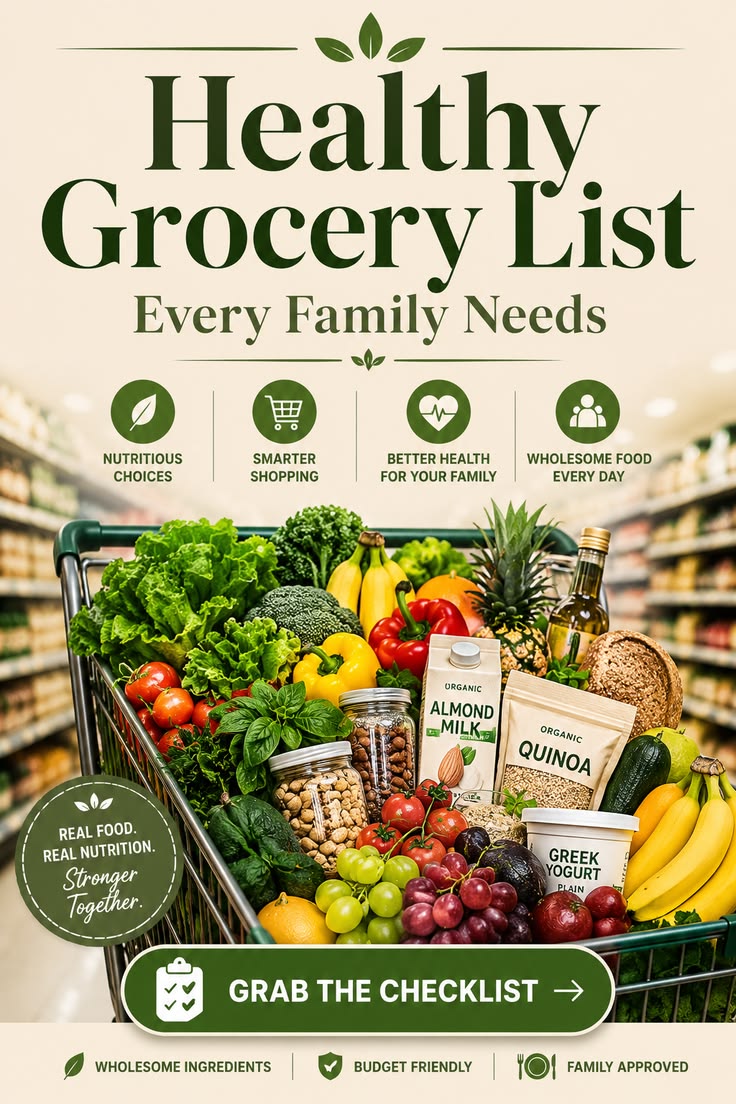
A balanced diet begins in the grocery aisle. Choosing nutrient-dense, minimally processed foods supports energy, long-term health and everyday well-being. Current dietary guidance emphasises whole foods from key groups—vegetables, fruits, proteins, whole grains and healthy fats—while limiting added sugars, refined carbohydrates and ultra-processed items. A practical shopping list built around these principles makes healthy eating more consistent and sustainable.
Core Principles for 2026 Shopping
Focus on variety and nutrient density. Fill the cart primarily with foods that deliver vitamins, minerals, fibre, protein and beneficial fats relative to their calories. Fresh, frozen and canned options (with limited added sodium or sugar) can all fit a balanced pattern. Planning meals in advance helps avoid impulse purchases of less nutritious items.
Prioritise protein at meals, include plenty of plants, choose whole grains over refined ones, and select healthier fat sources. These habits align with contemporary recommendations that stress real, whole foods as the foundation of good nutrition.
Vegetables: The Foundation of Most Meals
Aim for a wide range of colours and types. Leafy greens such as spinach, kale, romaine and cabbage provide folate, vitamin K and other micronutrients. Cruciferous vegetables including broccoli, cauliflower and Brussels sprouts add fibre and beneficial plant compounds. Colourful choices like tomatoes, carrots, bell peppers, beets and squash contribute carotenoids and additional vitamins.
Meal builders such as onions, garlic, mushrooms and celery form the base of many dishes. Stock both fresh and frozen options for convenience. Frozen vegetables retain nutrients well and reduce waste.
Fruits for Natural Sweetness and Fibre
Include a mix of fresh and frozen fruit. Apples, bananas, oranges, berries, pears and seasonal options supply fibre, vitamin C and other antioxidants. Berries and frozen fruit work well in yogurt, oatmeal or smoothies. Unsweetened canned fruit can serve as a practical backup. Variety across the week helps cover different nutrients.
Protein Foods for Satiety and Muscle Support
Protein needs receive greater emphasis in recent guidance. Include a mix of animal and plant sources. Eggs are versatile and nutrient-rich. Fish and seafood, particularly fatty fish such as salmon, provide omega-3 fatty acids. Poultry and lean cuts of meat offer high-quality protein. Plant-based options—beans, lentils, chickpeas, tofu, tempeh and edamame—deliver fibre along with protein and are cost-effective staples.
Nuts, seeds and nut butters contribute protein, healthy fats and minerals. Rotating sources across the week supports both nutrition and meal interest. Canned fish and dried or canned legumes are convenient pantry items.

Whole Grains and Useful Starches
Choose whole grains for more fibre and nutrients. Oats, brown rice, quinoa, barley, farro and whole-wheat products form reliable bases for meals. Potatoes and sweet potatoes count as nutritious starchy vegetables. These foods provide sustained energy and pair well with proteins and vegetables.
Limit refined grains such as white bread, white rice and many packaged snacks. Reading labels helps identify true whole-grain options.
Dairy and Fortified Alternatives
Plain yogurt, milk or fortified plant-based alternatives contribute calcium, protein and other nutrients. Choose options without excessive added sugars. Cheese in moderation can add flavour and protein to meals.
Healthy Fats and Flavour Builders
Olive oil, avocados, nuts and seeds supply unsaturated fats that support heart health. Use these for cooking, dressings and snacks. Herbs, spices, garlic, lemon and vinegar enhance flavour without relying on excess salt or sugar.
Practical Pantry and Freezer Staples
Keep dried or canned beans and lentils, whole grains, canned tomatoes, low-sodium broth and basic spices on hand. Frozen vegetables, fruit and fish provide flexibility. These items reduce last-minute decisions and support consistent meal preparation.
Building Balanced Meals from the List
A simple plate model works well: fill half with vegetables and fruit, one quarter with protein and one quarter with whole grains or starchy vegetables. Add a source of healthy fat. This approach scales to different cuisines and preferences.
Example combinations include grain bowls with vegetables, beans and a drizzle of olive oil; stir-fries with tofu or chicken and mixed vegetables over brown rice; yogurt with fruit and nuts; or baked fish with roasted vegetables and a side of quinoa.
Shopping Tips for Success
Shop the perimeter of the store first for produce, proteins and dairy, then select targeted pantry items. Compare labels for sodium, added sugars and ingredient lists. Buy seasonal produce when possible for better flavour and value. Frozen and canned goods extend usability and often cost less.
Prepare a list based on planned meals and check the pantry before leaving. This reduces waste and keeps the focus on nutrient-dense choices.
Making It Sustainable
A healthy grocery list is not rigid. Preferences, budget, cultural traditions and dietary needs should shape selections. The goal is consistency over perfection. Small, repeated choices—more vegetables, varied proteins, whole grains and fewer ultra-processed foods—compound into meaningful dietary improvement.
By stocking the kitchen with these essential foods, balanced meals become easier to prepare and more enjoyable. The result is a practical foundation for better energy, nutrient intake and long-term health.
Read more – wishdua.com