
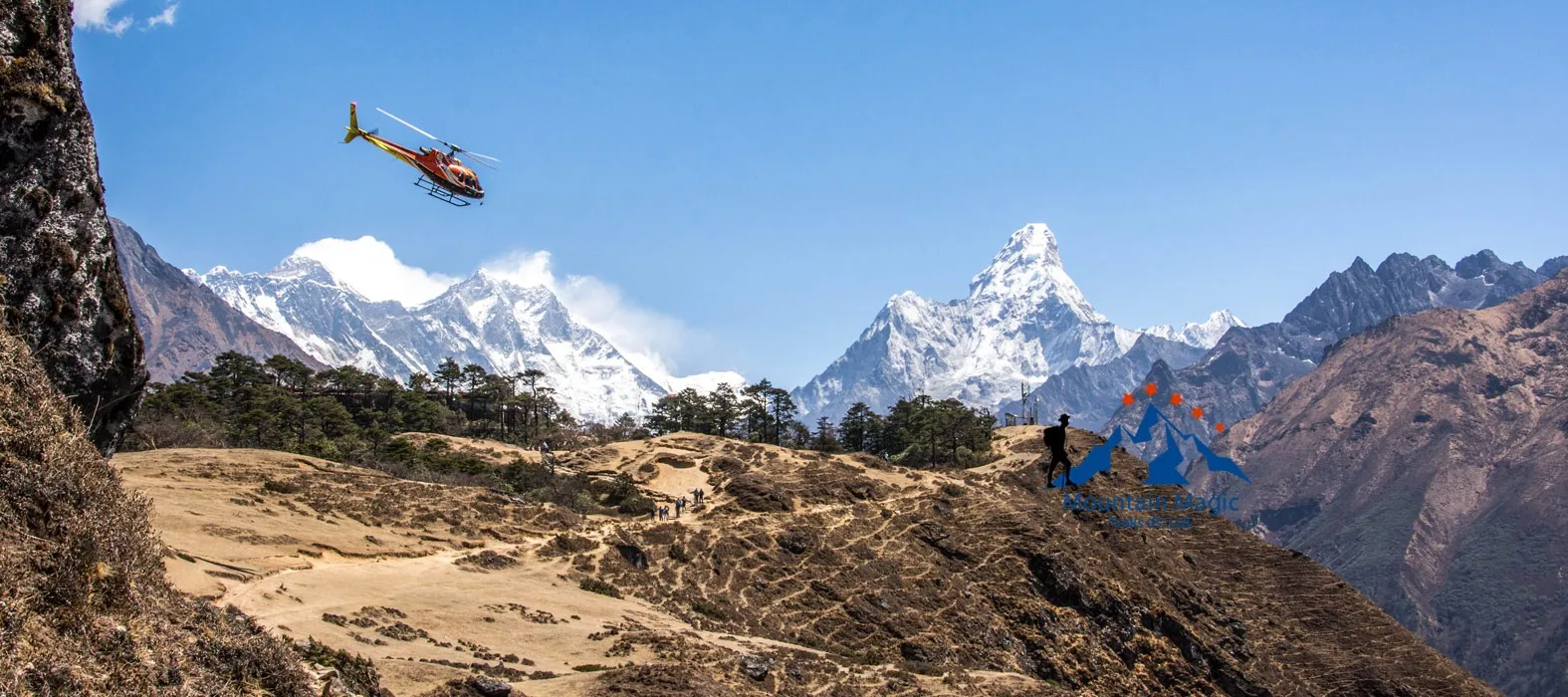
Reaching the high mountain settlements is only one part of a trekking journey. The return from the Everest region brings a different experience, especially when the final mountain transfer takes place by helicopter. After spending several days at high elevations, travelers move from the thin air of the Khumbu region toward the much lower elevation of Kathmandu in a relatively short time.
The Everest Base Camp Trek with Helicopter Return includes a planned helicopter journey from the Gorakshep area to Kathmandu. This return arrangement can reduce the need to retrace the full trekking route on foot. However, the flight involves its own practical considerations, from boarding instructions to the physical transition after landing.
Understand the Change in Elevation
Gorakshep is located at approximately 5,164 meters above sea level, while Kathmandu sits at a much lower elevation. This creates a major difference between the environment where the helicopter journey begins and where it ends.
At high altitude, the body has been working with less available oxygen. Descending to Kathmandu generally means moving into air with a higher oxygen pressure.
Why the Change Matters
The transition can affect how travelers feel after several days of trekking. Some may notice that ordinary movement feels easier at a lower elevation, while others may still feel tired from the journey.
Do not assume that reaching Kathmandu immediately removes every effect of altitude exposure. Recovery can take time, particularly after a demanding trekking schedule.
Follow the Guide’s Instructions Before Boarding
Helicopter boarding at a mountain landing area requires attention and coordination. The guide and flight crew provide instructions that passengers should follow carefully.
The exact boarding procedure depends on the location, aircraft, and operating conditions.
Prepare Your Belongings
Before boarding:
-
Keep your essential documents accessible.
-
Secure loose items inside your luggage.
-
Follow the baggage instructions provided by the team.
-
Wear suitable clothing for the conditions.
-
Avoid approaching the aircraft without permission.
-
Listen carefully to the crew’s safety briefing.
Do not attempt to handle helicopter doors, luggage compartments, or equipment without being instructed.
Understand the Role of Weather in the Return Flight
Mountain helicopter operations depend on suitable weather and visibility. Conditions in the Khumbu region can change, and a flight that is planned for one time may need to be delayed.
Cloud cover, wind, visibility, and other operational factors can affect whether an aircraft can safely operate.
Why Flexibility Is Necessary
Travelers should avoid making fixed onward plans that depend on an exact helicopter departure time unless the flight has been confirmed.
The Everest Base Camp Trek with Helicopter Return includes planned mountain transportation, but the actual departure remains subject to operational conditions.
If a delay occurs, follow the guide’s instructions and wait for updated information rather than making independent arrangements.
Know What to Expect Inside the Helicopter
A helicopter cabin is different from a passenger aircraft cabin. Space may be limited, and passengers must follow crew instructions throughout the flight.
Depending on the aircraft and flight arrangement, seating may be assigned according to operational requirements.
Keep Your Movements Limited
Once seated:
-
Wear the seat belt as instructed.
-
Keep personal belongings secured.
-
Avoid moving around during the flight.
-
Follow instructions about doors and windows.
-
Do not distract the pilot or crew.
-
Use electronic devices only as permitted.
These basic steps help maintain an orderly flight.
Prepare for Noise and Air Movement
Helicopters produce noticeable noise and vibration. Some travelers may also feel movement when the aircraft changes direction or responds to air conditions.
This is normal during helicopter travel, although the exact experience varies with the aircraft and flight conditions.
Make the Flight More Comfortable
If you are sensitive to noise, ask the operator whether suitable hearing protection is available or permitted.
Keep your body relaxed and follow the crew’s instructions. Avoid trying to stand, change seats, or reach for luggage while the helicopter is moving.
If you feel unwell, inform the crew when it is safe to do so.
Take Care of Yourself After Landing in Kathmandu
After leaving the mountain region, travelers may feel tired even if the helicopter journey itself is relatively short.
The return flight follows several demanding days of walking, so it is sensible to allow time for rest.
Give Yourself Time to Recover
After landing:
-
Drink water according to your needs.
-
Eat a suitable meal.
-
Rest before planning additional activities.
-
Check your belongings.
-
Inform the guide if you feel unwell.
-
Avoid scheduling unnecessary physical activities immediately.
The lower elevation may feel more comfortable, but fatigue from the trek can remain.
Understand the Difference Between Altitude Symptoms and Travel Fatigue
Travelers sometimes confuse ordinary tiredness with symptoms related to altitude exposure.
After a long trek, tired legs and general fatigue are common. However, symptoms such as worsening headache, nausea, dizziness, unusual weakness, or breathing difficulty should not be dismissed as simple exhaustion.
Know When to Seek Medical Help
Serious or worsening symptoms need prompt medical attention. Severe breathlessness at rest, confusion, difficulty walking, or reduced consciousness require urgent assistance.
Tell your guide or medical professional about any symptoms rather than waiting for them to disappear after reaching Kathmandu.
A helicopter transfer does not replace medical assessment or treatment.
Keep Travel Insurance and Emergency Details Accessible
Travel insurance is an important part of high-altitude trekking preparation. The policy should be checked carefully for coverage related to trekking elevation, emergency evacuation, and medical treatment.
Do not assume that every policy covers helicopter transportation or altitude-related emergencies.
Review Your Policy Before Departure
Check:
-
The maximum altitude covered.
-
Whether emergency helicopter evacuation is included.
-
Whether medical treatment is covered.
-
What exclusions apply.
-
How to contact the insurer during an emergency.
-
Whether pre-approval is required for certain services.
The planned return flight included in the package and an emergency medical evacuation are different arrangements. Understand the distinction before the trip begins.
Plan Your First Evening Back in Kathmandu
Returning to Kathmandu can feel like a major change after several days in mountain settlements. The city has more shops, restaurants, vehicles, and accommodation facilities.
However, there is no need to fill the first evening with activities.
The standard Mountain Magic Treks package lists two nights in a five-star Kathmandu hotel. Travelers should confirm the exact accommodation schedule and any changes before departure.
Use the first evening to settle in, organize your luggage, and rest after the mountain journey.
Final Thoughts
The helicopter return is an important part of the overall trekking arrangement, but it should not be treated as a simple end-of-trip formality. Passengers need to follow crew instructions, remain flexible about weather-related changes, and allow time to recover after reaching Kathmandu.
During the Everest Base Camp Trek with Helicopter Return, the journey from Gorakshep to Kathmandu marks a major change in elevation and travel conditions. Preparing for the flight and paying attention to your physical condition after landing can make the final stage more manageable.
Frequently Asked Questions
1. From where does the planned helicopter return begin?
The listed itinerary includes a return helicopter journey from the Gorakshep area to Kathmandu, subject to operational conditions.
2. Can weather delay the helicopter return?
Yes. Mountain flights depend on visibility, wind, weather, and other operational factors.
3. Will I feel different after reaching Kathmandu?
Some travelers may feel more comfortable at the lower elevation, but fatigue from the trek can remain. Recovery varies between individuals.
4. Is the planned helicopter return the same as an emergency evacuation?
No. A scheduled trekking transfer and a medical evacuation are separate services with different purposes and arrangements.
5. Should I rest after reaching Kathmandu?
Yes. Allowing time to eat, hydrate, and recover after several days of trekking is sensible.