
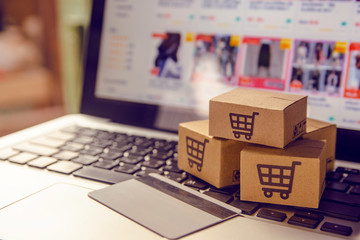
Online Shopping Trends have evolved significantly, transforming the way consumers engage with retailers. As more people turn to digital platforms, shopping from the comfort of their homes has become a norm. Retailers are increasingly prioritizing mobile-friendly websites, improving their online payment options, and enhancing the customer experience. With a shift towards faster delivery services, brands are integrating AI and machine learning to streamline operations, predict trends, and improve customer satisfaction. A major change includes personalized shopping experiences, where algorithms tailor recommendations based on browsing history and preferences.
The Role of Social Media in Shopping
Social media platforms like Instagram, Pinterest, and Facebook have emerged as essential tools in online shopping. These platforms offer a space for brands to advertise their products directly to potential customers. The rise of influencer marketing, where popular social media figures endorse products, has also contributed to increased sales. Consumers are more likely to make a purchase if they see a product endorsed by someone they trust. Furthermore, the integration of shoppable posts and stories on these platforms allows for a seamless transition from browsing to buying, creating a more interactive and convenient shopping experience.
The Power of Customer Reviews and Ratings
One of the key trends in online shopping is the growing importance of customer reviews and ratings. Before making a purchase, shoppers often rely on feedback from previous buyers to gauge the quality and reliability of a product. Many e-commerce platforms have made it easier for consumers to leave reviews, and this has led to greater transparency in the marketplace. The influence of positive reviews cannot be overstated, as they often drive purchasing decisions. Retailers are also using reviews to fine-tune their offerings, improve products, and maintain high customer satisfaction levels.
Subscription Services and Exclusive Online Deals
Subscription services and exclusive online deals have become a big part of the online shopping culture. Many brands now offer subscription boxes for everything from beauty products to snacks, ensuring that customers receive regular deliveries of their favorite items. Online retailers are also rolling out limited-time offers, flash sales, and exclusive online-only discounts to incentivize purchases. This creates a sense of urgency and excitement among customers, making them more likely to complete a transaction. Retailers are leveraging these strategies to not only boost sales but also retain loyal customers by offering them something unique.
The Rise of Sustainable and Ethical Shopping
As more people become conscious of their environmental impact, the trend of sustainable and ethical shopping has gained momentum. Consumers are increasingly choosing brands that prioritize sustainability, eco-friendly materials, and ethical manufacturing practices. Brands are responding by offering products made from recycled or biodegradable materials, reducing packaging waste, and ensuring fair labor practices. This shift toward more responsible shopping habits is reshaping the retail landscape, with an increasing number of consumers willing to pay a premium for products that align with their values.
The Impact of Augmented Reality on Online Shopping
Augmented Reality (AR) has started to play a significant role in enhancing online shopping experiences. This technology allows customers to visualize products in their homes before making a purchase, making the decision process easier and more accurate. For example, furniture retailers now offer AR tools that allow customers to see how a piece of furniture will look in their living rooms or offices. Fashion retailers are also experimenting with virtual fitting rooms, allowing customers to try on clothes virtually. These innovations are helping bridge the gap between the online and in-store shopping experience.
The Future of Payment Systems in Online Shopping
Online payment systems are constantly evolving to meet the growing demand for convenience and security. Digital wallets, like PayPal and Apple Pay, have become increasingly popular, allowing for fast and secure transactions. Cryptocurrencies are also beginning to make their way into e-commerce, providing shoppers with an alternative payment method that offers more privacy and less reliance on traditional banking systems. Retailers are embracing these changes by offering multiple payment options to cater to the diverse needs of their customers, enhancing the overall shopping experience.
Shoppable Content and Integration in Retail Marketing
Shoppable content is becoming an essential feature in modern retail marketing strategies. This trend allows customers to purchase products directly from videos, blogs, and social media content without leaving the platform. Whether it’s a live stream, tutorial, or influencer endorsement, integrating shopping directly into content helps brands reach customers more effectively. It creates a seamless experience where buyers don’t have to interrupt their browsing or viewing experience to make a purchase, thus increasing conversion rates and driving sales.
Conclusion
As we move further into the digital age, online shopping trends are shaping the future of retail. With advancements in technology, social media integration, customer personalization, and payment options, shopping is becoming more convenient, engaging, and tailored to individual preferences. As consumer behaviors continue to evolve, it will be interesting to see how these trends further influence the retail landscape, making it increasingly dynamic and responsive to market needs.