
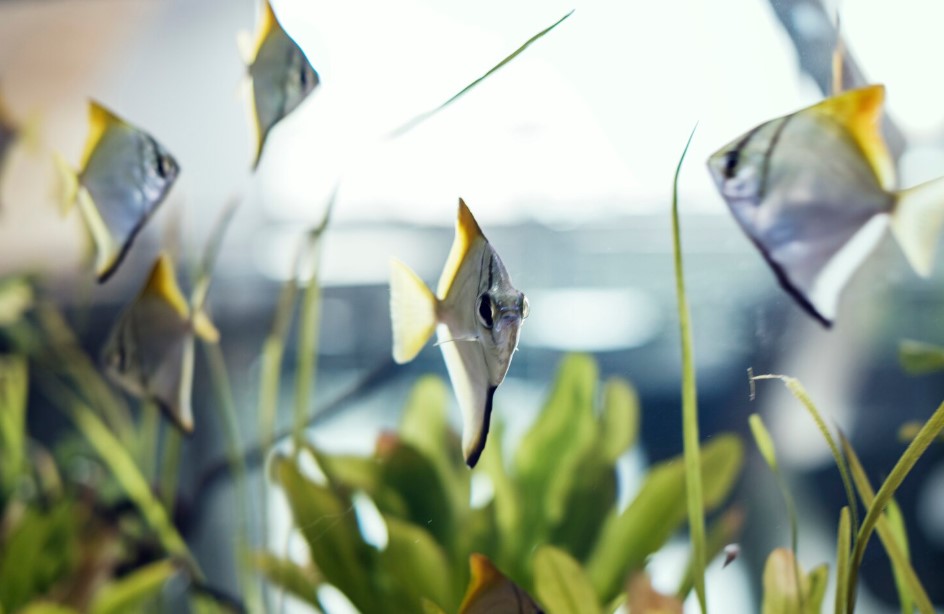
A clean aquarium is not only about appearance. Healthy fish need stable water conditions, proper oxygen levels, and effective waste removal. A reliable fish tank filter plays an important role in maintaining a safe environment by removing harmful waste, improving water movement, and supporting beneficial bacteria.
Choosing the right filter can feel confusing because aquariums come in different sizes and contain different types of fish. A small betta tank, a freshwater community aquarium, and a large saltwater setup all require different filtration needs.
The best filters for aquariums should match your tank size, fish species, water volume, and maintenance routine.
Why a Fish Tank Filter Is Important
Fish naturally produce waste, and leftover food can break down inside the aquarium. Without proper filtration, harmful substances can build up and affect fish health.
A quality fish tank filter helps with:
- Removing debris
- Supporting beneficial bacteria
- Improving water circulation
- Increasing oxygen exchange
- Keeping water clearer
- Reducing harmful waste buildup
A filter does not replace regular maintenance. Water changes, feeding control, and proper stocking are still necessary.
The goal of filtration is to create a balanced aquarium environment where fish can live comfortably.
How Aquarium Filtration Works
Most aquarium filters use three main types of filtration.
Mechanical Filtration
Mechanical filtration removes visible particles from the water.
It captures:
- Uneaten food
- Fish waste
- Plant debris
- Floating particles
Filter pads, sponges, and filter floss are common mechanical media.
Biological Filtration
Biological filtration is one of the most important parts of aquarium care.
Beneficial bacteria grow inside filter media and help process toxic waste compounds.
These bacteria help convert harmful substances into less harmful forms through the nitrogen cycle.
A healthy biological filter helps maintain better water quality.
Chemical Filtration
Chemical filtration uses materials such as activated carbon to remove certain substances from water.
It may help remove:
- Odors
- Some discoloration
- Certain dissolved compounds
Chemical media is not always needed continuously and should be used based on aquarium requirements.
Types of Fish Tank Filters
Different aquarium setups require different filter styles.
Internal Filters
Internal filters sit inside the aquarium.
Benefits include:
- Easy installation
- Good for small and medium tanks
- Compact design
- Simple maintenance
They are popular among beginners because they are easy to set up.
Hang-On-Back Filters
Hang-on-back filters attach to the outside back of the aquarium.
They are widely used because they provide:
- Mechanical filtration
- Biological filtration
- Easy access for cleaning
- Good water movement
They are suitable for many freshwater community tanks.
Canister Filters
Canister filters are external filtration systems often used for larger aquariums.
Advantages include:
- High filtration capacity
- More space for filter media
- Strong performance
- Flexible setup options
They are commonly used for large freshwater tanks, planted aquariums, and some marine systems.
Sponge Filters
Sponge filters use an air pump to move water through a sponge.
They are useful for:
- Breeding tanks
- Shrimp tanks
- Small aquariums
- Hospital tanks
They provide gentle filtration and are safe for small fish.
Undergravel Filters
Undergravel filters use the aquarium substrate as part of the filtration system.
They are less common today but may still be used in certain setups.
Choosing the Best Fish Tank Filter
The correct filter depends on several factors.
Aquarium Size
Every filter has a recommended tank capacity.
A filter designed for a small aquarium may not handle waste production in a larger tank.
Avoid choosing only based on price. A filter that is too small may struggle to maintain water quality.
Fish Population
More fish create more waste.
A lightly stocked aquarium needs less filtration than a heavily stocked tank.
Consider:
- Number of fish
- Fish size
- Feeding habits
- Species requirements
Fish Type
Different fish prefer different water movement.
For example:
- Bettas prefer gentle flow.
- Goldfish create high waste and need strong filtration.
- Some river fish enjoy stronger circulation.
- Shrimp and fry often need gentle filtration.
Choose a filter that supports your fish’s natural behavior.
Maintenance Requirements
A good filter should fit your cleaning routine.
Some filters require more frequent maintenance than others.
Choose a design that you can maintain consistently.
Understanding Water Filter Aquarium Systems
A water filter aquarium setup should provide clean water without creating unnecessary stress for fish.
When selecting a water filtration system, consider:
Flow Rate
Flow rate determines how quickly water passes through the filter.
Too little flow may reduce cleaning efficiency.
Too much flow may create strong currents that stress some fish.
Filter Media Options
A good system should allow you to use suitable filter media.
Common options include:
- Filter sponge
- Ceramic rings
- Filter pads
- Activated carbon
- Bio media
Different media types perform different jobs.
Water Movement
Good circulation helps distribute:
- Oxygen
- Heat
- Nutrients
- Clean water
However, water movement should match the needs of your fish.
Essential Aquarium Fish Tank Supplies for Filtration
A complete filtration setup may require additional aquarium fish tank supplies.
Useful supplies include:
Replacement Filter Media
Filter media becomes less effective over time.
Keep replacement pads, sponges, or other media available.
Filter Brushes
Small brushes help clean tubing, intake pipes, and hard-to-reach areas.
Water Testing Kits
Testing helps monitor:
- Ammonia
- Nitrite
- Nitrate
- pH
Water Conditioner
Water conditioner helps prepare tap water before adding it to the aquarium.
Aquarium Bucket
Use a dedicated aquarium bucket for maintenance to avoid contamination from household chemicals.
Gravel Vacuum
A gravel vacuum helps remove waste from the substrate during water changes.
These basic supplies make aquarium maintenance easier.
Fish Tank Filter Maintenance Tips
A filter only works well when it is maintained properly.
Clean Filter Media Carefully
Do not wash biological filter media under untreated tap water because chlorine may damage beneficial bacteria.
Instead, rinse media gently using removed aquarium water when cleaning.
Check Water Flow
Reduced flow may indicate:
- Dirty filter media
- Blocked intake
- Clogged tubing
- Impeller problems
Clean the Impeller
Many filters use a small rotating impeller.
Debris buildup can reduce performance and increase noise.
Replace Damaged Parts
Inspect:
- Tubing
- Intake covers
- Filter cartridges
- Seals
Replace worn parts when needed.
Common Fish Tank Filter Mistakes
Choosing a Filter Too Small
An undersized filter may struggle with waste buildup.
Replacing All Filter Media at Once
This can remove beneficial bacteria and affect water stability.
Overcleaning the Filter
Filters need beneficial bacteria to function properly.
Ignoring Reduced Water Flow
Lower flow is often an early sign of a problem.
Blocking Filter Intake
Plants, decorations, or gravel can reduce water movement.
Using Excessive Flow
Strong currents can stress fish.
Signs Your Aquarium Filter Needs Attention
Watch for these signs:
- Cloudy water
- Strong odors
- Reduced water movement
- Fish gasping near the surface
- Increased algae growth
- Visible debris
These problems may have different causes, but the filter should always be checked.
Do not wait until fish show serious stress before reviewing your filtration system.
Build a Better Aquarium Filtration Routine
Choosing the right fish tank filter is one of the most important decisions for aquarium health.
Start by checking your tank size, fish species, and maintenance needs. Choose filters for aquariums that provide suitable flow, enough filtration capacity, and easy cleaning.
Use the right aquarium fish tank supplies, maintain filter media properly, and monitor water quality regularly.
The best filtration system is not always the largest or most expensive option. It is the one that keeps your aquarium clean while creating a comfortable environment for your fish.
Review your current setup today. Check the filter flow, inspect the media, and make sure your water filter aquarium system is working efficiently.
Frequently Asked Questions
1. What is the best fish tank filter for beginners?
The best fish tank filter depends on tank size and fish type. Hang-on-back and sponge filters are popular beginner options because they are easy to install and maintain.
2. How often should I clean my aquarium filter?
Clean your filter when water flow decreases or debris builds up. Avoid replacing all biological media at once because beneficial bacteria are important.
3. Are bigger filters always better for aquariums?
Not always. A filter should match your tank and fish needs. Excessive water flow can stress some fish species.
4. What aquarium fish tank supplies are needed for filter maintenance?
Useful aquarium fish tank supplies include replacement media, filter brushes, water testing kits, water conditioner, and cleaning tools.
5. Does a water filter aquarium system replace water changes?
No. A water filter aquarium system helps maintain water quality, but regular partial water changes are still necessary for a healthy aquarium.